
Research Yearbook Editorial Illustrations
Clarifying complex research through editorial and technical illustration.
Editorial illustrations were produced for an annual hardback university research yearbook, translating abstract and technical research into accessible visual narratives for a premium, client-facing publication.
The illustrations serve as visual entry points alongside dense academic text, enhancing readability, unifying diverse topics, and establishing a consistent editorial tone appropriate for a coffee-table format.
Each edition is structured around a distinct annual visual system, varying colour, viewpoint, and metaphor while retaining core editorial principles. This approach provides each yearbook with a clear identity and has resulted in widespread reuse across research communication and marketing materials.
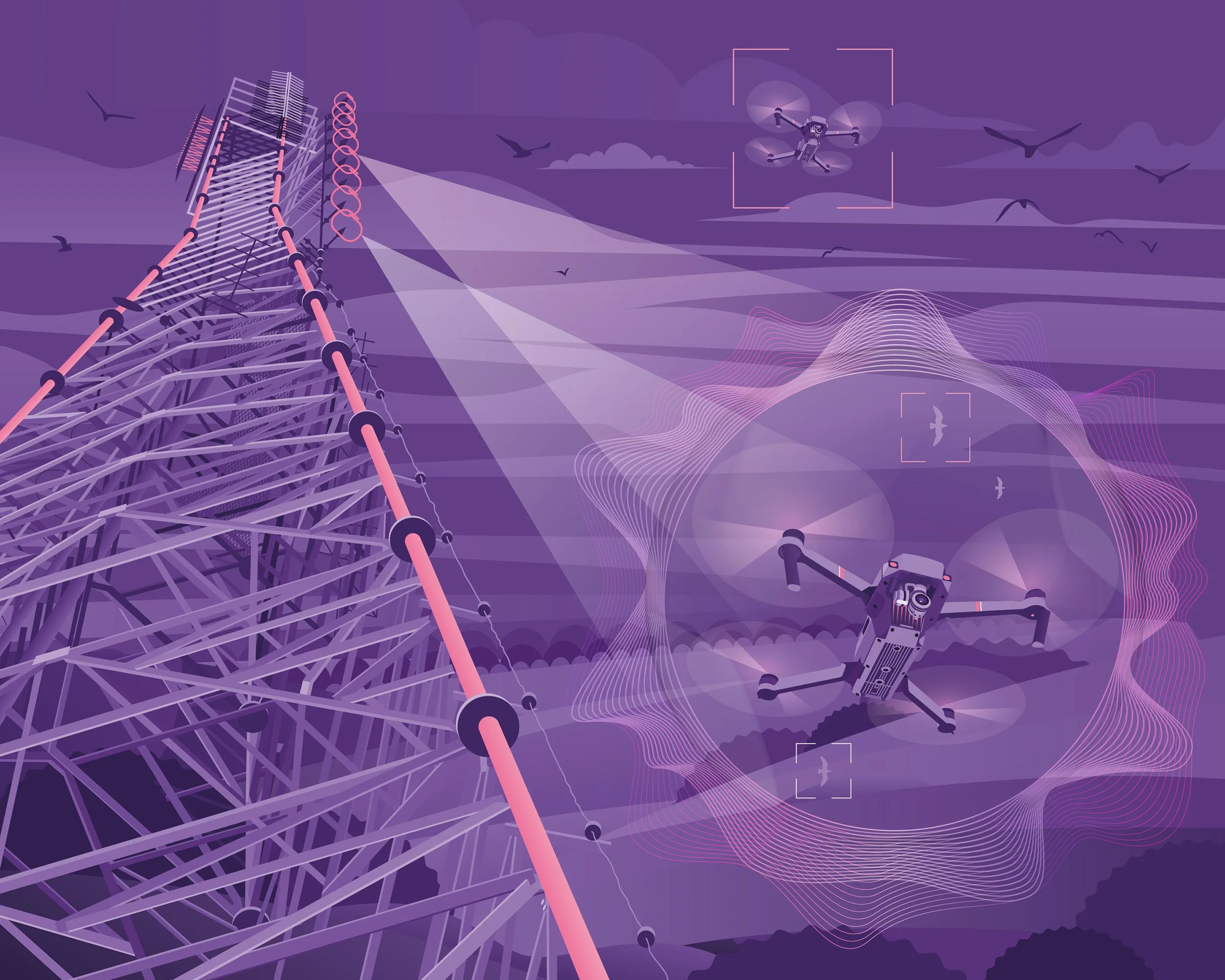
UAS Radar Systems - Visualising dual-channel radar concepts to communicate target detection and tracking in complex environments.
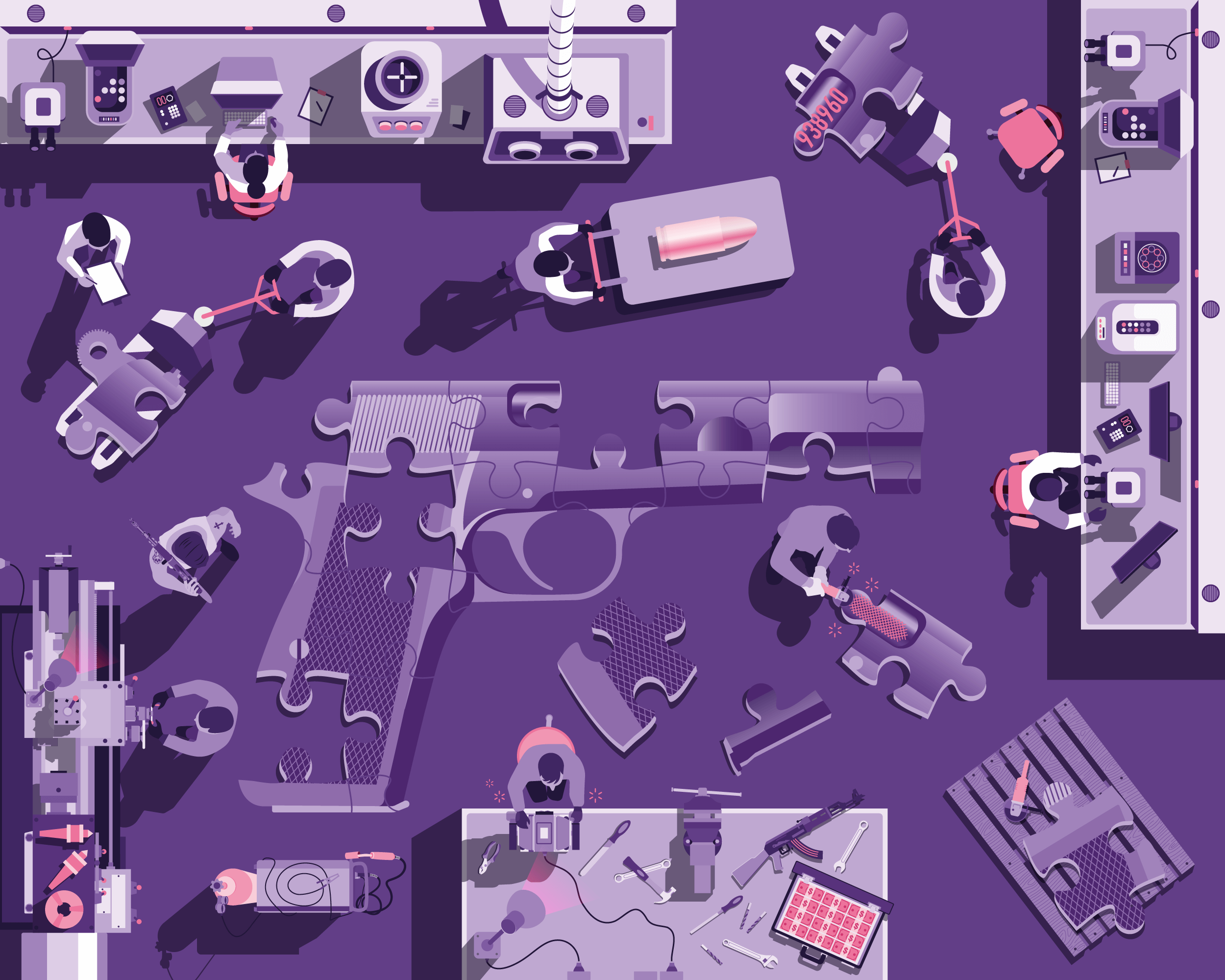
Firearms Traceability - Visualising forensic identification methods to communicate how illicit firearms are traced and investigated.
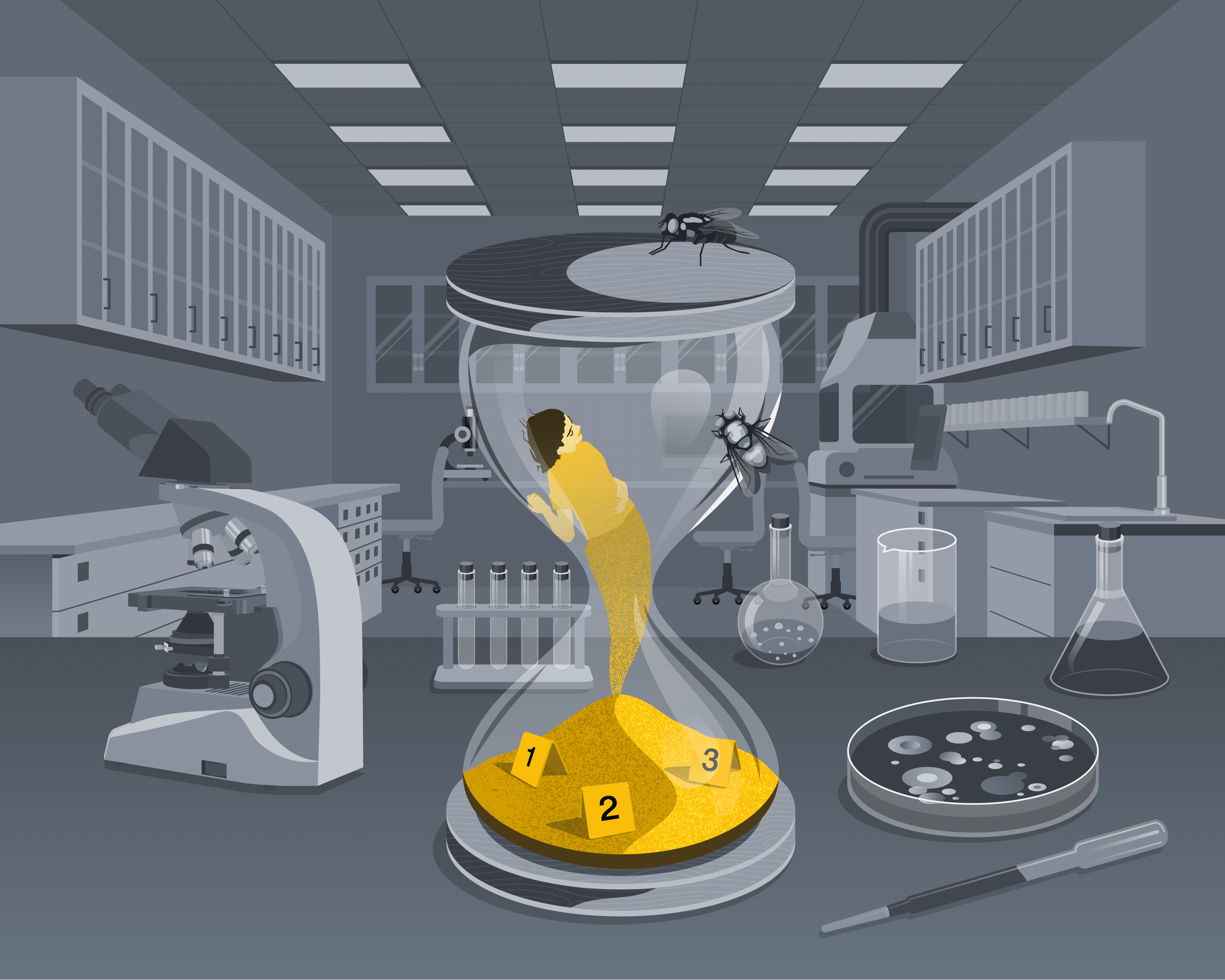
Estimating Time Since Death - Visualising probabilistic forensic models to communicate uncertainty in post-mortem interval estimation.
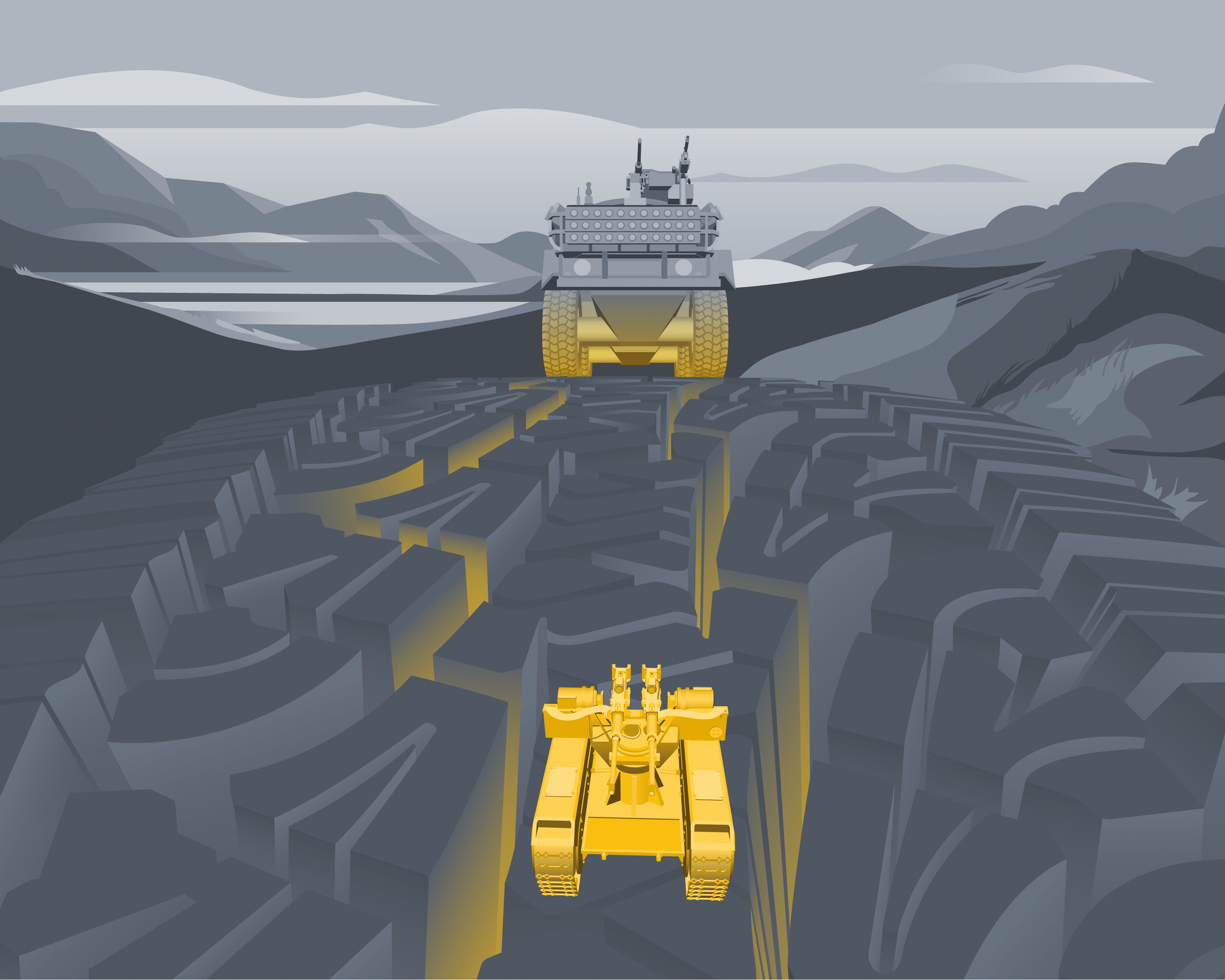
Off-Road Military Mobility - Visualising human-machine teaming and terrain interaction to communicate route planning in complex ground conditions.
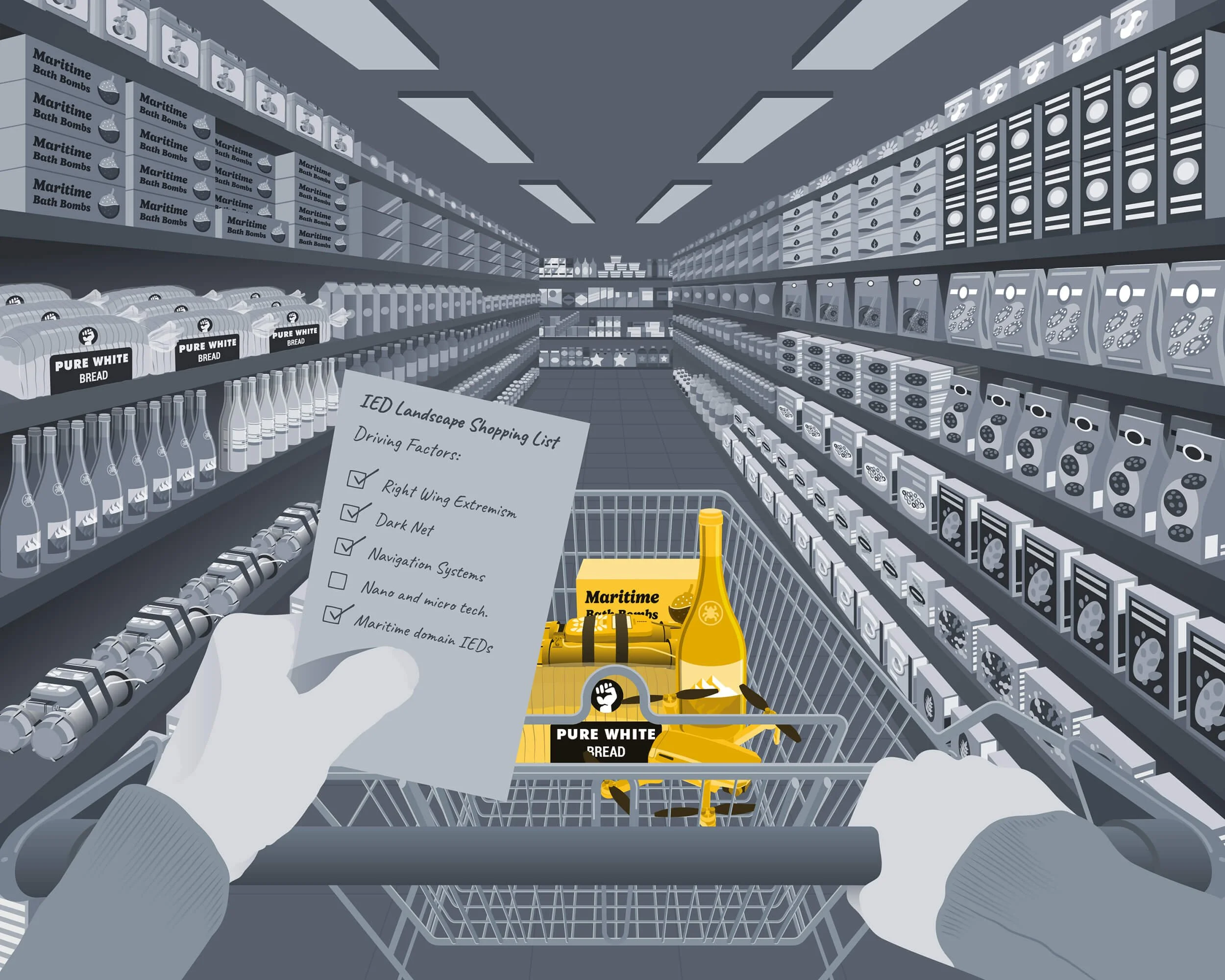
Future IED Threats - Visualising emerging patterns and technological drivers to communicate the evolution of improvised explosive device risks.
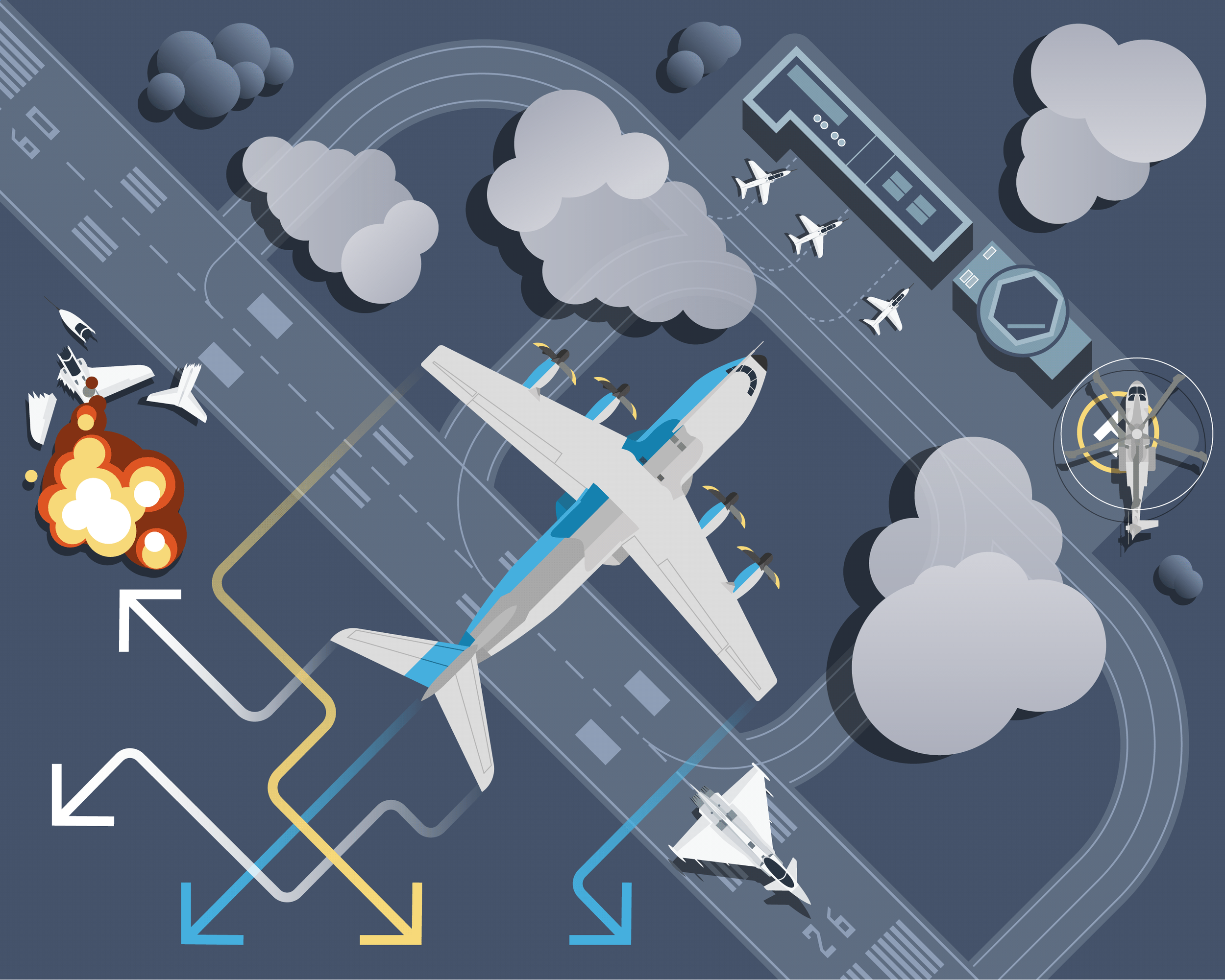
High-Risk Maintenance Decisions - Visualising structured decision-support frameworks to communicate fly-or-ground choices under time-critical and uncertain structural risk conditions.
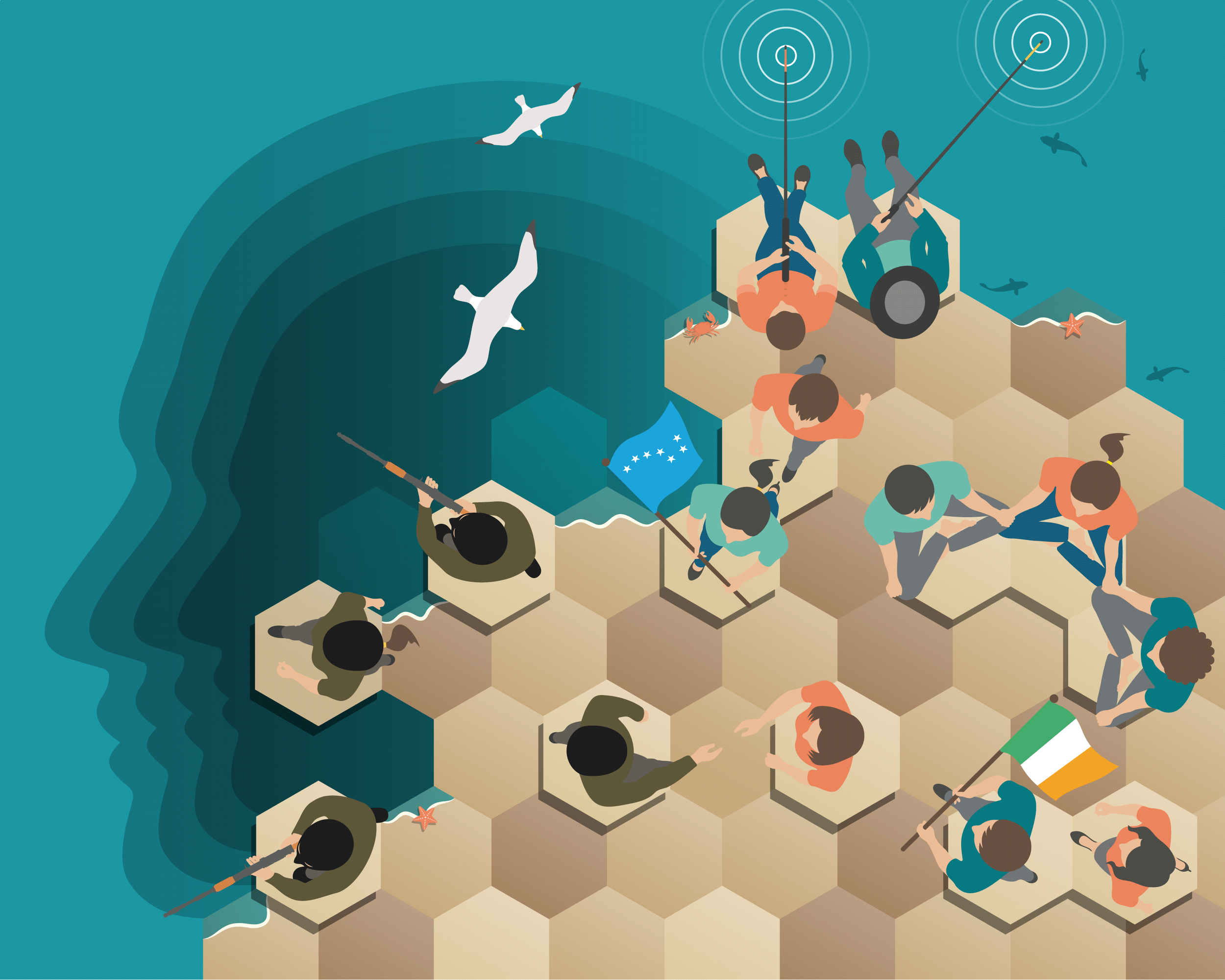
From Sympathy to Violence - Visualising psychological tipping points to communicate how passive support transitions into paramilitary involvement during the Northern Ireland conflict.
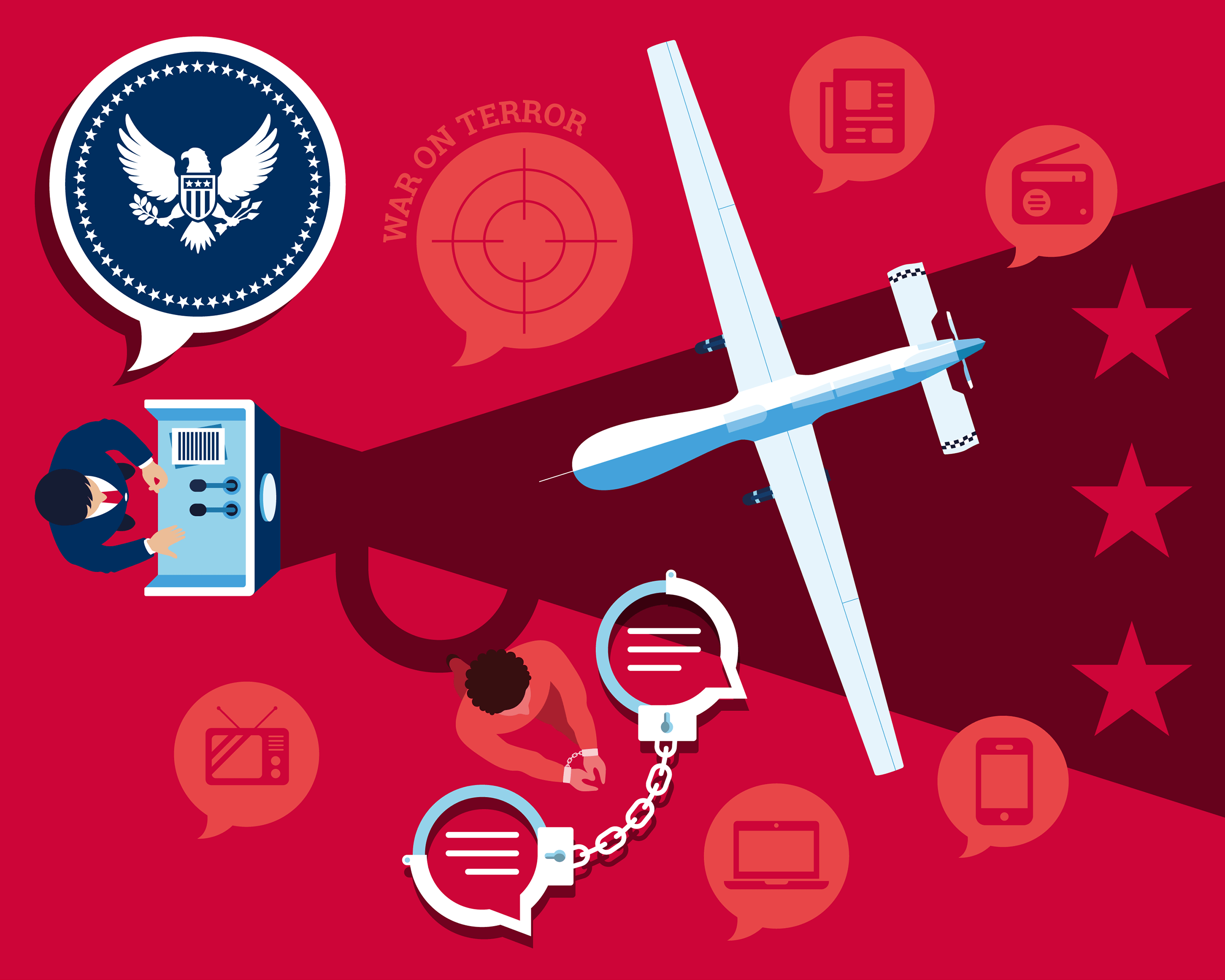
Presidential Rhetoric and Counter-Terrorism - Visualising political communication to show how post-attack presidential messaging shapes public expectations and legitimises counter-terrorism responses.

Cyber Adversary Modelling - Visualising agent-based simulations to communicate offensive cyber behaviour and explore future threat scenarios.
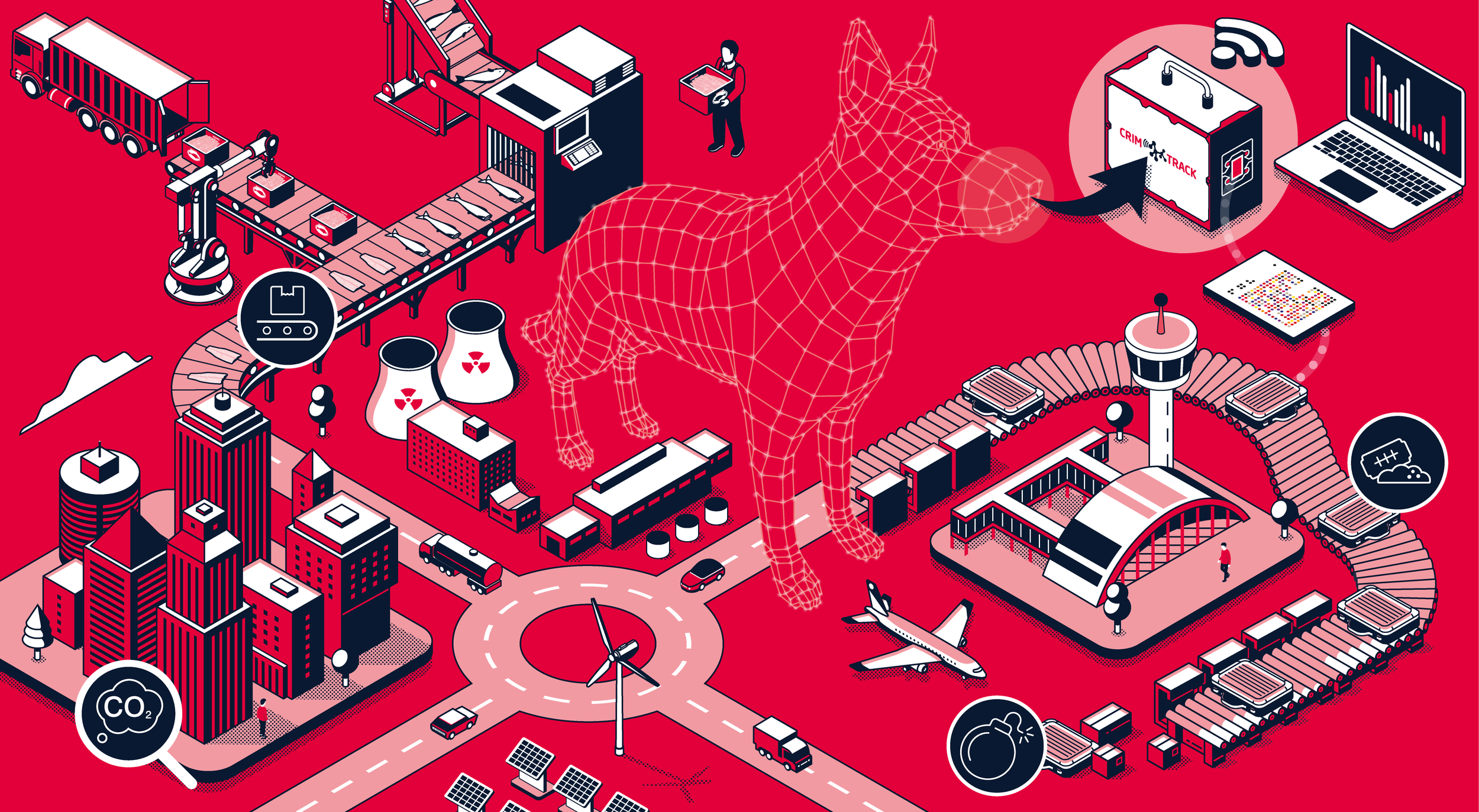
PORDEX Explosive Detection - Visualising portable, contactless sensing technology to communicate near-real-time detection of explosives, drugs, and precursor chemicals.
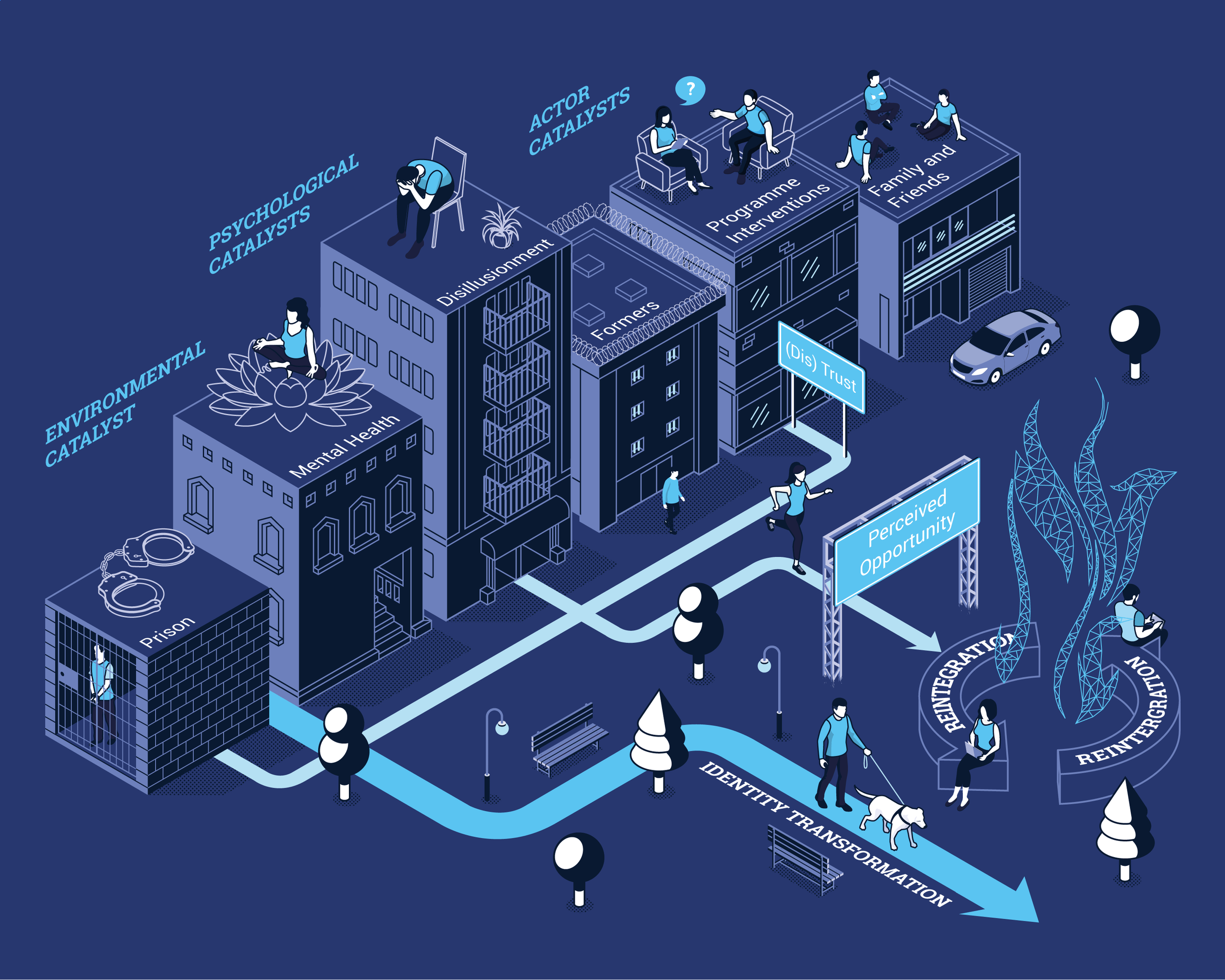
The Phoenix Model of Disengagement - Visualising evidence-based frameworks to communicate how and why individuals disengage from terrorism and inform rehabilitation approaches.
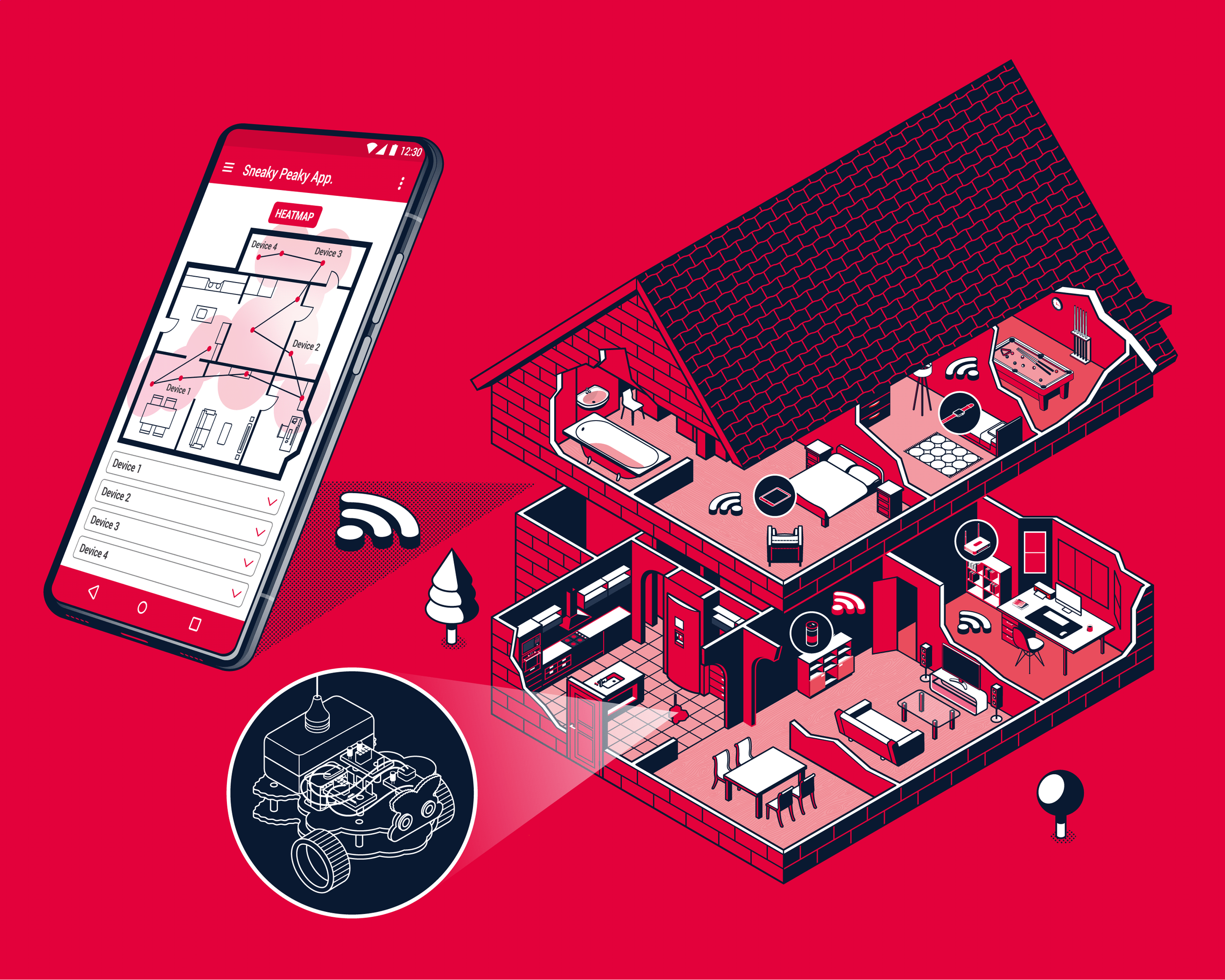
Sneaky Peaky Digital Investigation Assistant - Visualising automated investigative systems to communicate how digital devices are identified and located at scenes of interest.

Conversational Agents for Sensitive Disclosure - Visualising adaptive dialogue systems to communicate how users share sensitive information accurately and with confidence.